問題詳情
▲ 閱讀下文,回答第 26 − 30 題
A strategic alliance is an arrangement between two companies to undertake a mutually
beneficial project while each retains its independence. The agreement is less complex and less
binding than a joint venture, in which two businesses pool resources to create a separate
business entity. A company may enter into a strategic alliance to expand into a new market,
improve its product line, or develop an edge over a competitor. For example, an owner of a
guesthouse in Yilan, Taiwan, which caters to high-end clients, is now thinking about forging
partnerships with other businesses and developing a new market. He is looking at establishing
partnerships with wedding businesses. Newlyweds could honeymoon in his guesthouse and have
their wedding photos taken in its beautiful environment. The strategists Yoshino and Rangan
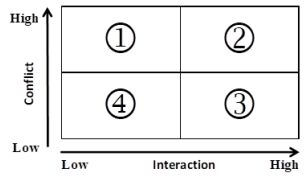
have classified the strategic alliance based on two dimensions: Extent of organizational
interaction and conflict among the alliance partners. On the basis of these, four types of strategic
alliances emerge:
● Procompetitive Alliances ( low interaction and low conflict ) : Such alliances offer the benefits
of vertical integration, i.e. a relationship between the manufacturer and its suppliers or
distributors.
● Noncompetitive Alliances ( high interaction and low conflict ) : This type of alliance is formed
between the companies that operate in the same industry but do not consider each other as rivals.
Their business operations do not coincide and are quite distinctive , so the feeling of competitiveness
does not emerge.
● Competitive Alliances ( high interaction and high conflict ) : Two competing firms that
perceive each other as rivals come together to form an alliance. Therefore, the intense
interaction between the two is necessary. Such alliances could be intra-industry or inter-industry.
● Precompetitive Alliance ( low interaction and high conflict ) : Such partnership brings two
firms from different, most often unrelated industries to work towards a specific activity, such as
new technology development, or creating awareness among the potential customers about the
use of new product or idea.
A strategic alliance can, however, bring its own risks. While the agreement is usually clear
for both companies, there may be differences in how the firms conduct business. Further, if the
alliance requires the parties to share information, there must be trust between the two allies.
【題組】26. Which of the following would be the best title for this article?
(A) Cooperative Models of Strategic Alliances
(B) Strategic Alliances: Working with Competitors
(C) Risks and Analytical Tools for Strategic Alliances
(D) The Evaluation and Foundation in Strategic Alliances
A strategic alliance is an arrangement between two companies to undertake a mutually
beneficial project while each retains its independence. The agreement is less complex and less
binding than a joint venture, in which two businesses pool resources to create a separate
business entity. A company may enter into a strategic alliance to expand into a new market,
improve its product line, or develop an edge over a competitor. For example, an owner of a
guesthouse in Yilan, Taiwan, which caters to high-end clients, is now thinking about forging
partnerships with other businesses and developing a new market. He is looking at establishing
partnerships with wedding businesses. Newlyweds could honeymoon in his guesthouse and have
their wedding photos taken in its beautiful environment. The strategists Yoshino and Rangan
have classified the strategic alliance based on two dimensions: Extent of organizational
interaction and conflict among the alliance partners. On the basis of these, four types of strategic
alliances emerge:
● Procompetitive Alliances ( low interaction and low conflict ) : Such alliances offer the benefits
of vertical integration, i.e. a relationship between the manufacturer and its suppliers or
distributors.
● Noncompetitive Alliances ( high interaction and low conflict ) : This type of alliance is formed
between the companies that operate in the same industry but do not consider each other as rivals.
Their business operations do not coincide and are quite distinctive , so the feeling of competitiveness
does not emerge.
● Competitive Alliances ( high interaction and high conflict ) : Two competing firms that
perceive each other as rivals come together to form an alliance. Therefore, the intense
interaction between the two is necessary. Such alliances could be intra-industry or inter-industry.
● Precompetitive Alliance ( low interaction and high conflict ) : Such partnership brings two
firms from different, most often unrelated industries to work towards a specific activity, such as
new technology development, or creating awareness among the potential customers about the
use of new product or idea.
A strategic alliance can, however, bring its own risks. While the agreement is usually clear
for both companies, there may be differences in how the firms conduct business. Further, if the
alliance requires the parties to share information, there must be trust between the two allies.
【題組】26. Which of the following would be the best title for this article?
(A) Cooperative Models of Strategic Alliances
(B) Strategic Alliances: Working with Competitors
(C) Risks and Analytical Tools for Strategic Alliances
(D) The Evaluation and Foundation in Strategic Alliances
參考答案
答案:A
難度:計算中-1
書單:沒有書單,新增
難度:計算中-1
書單:沒有書單,新增